

Sell House Fast in Pittsburgh

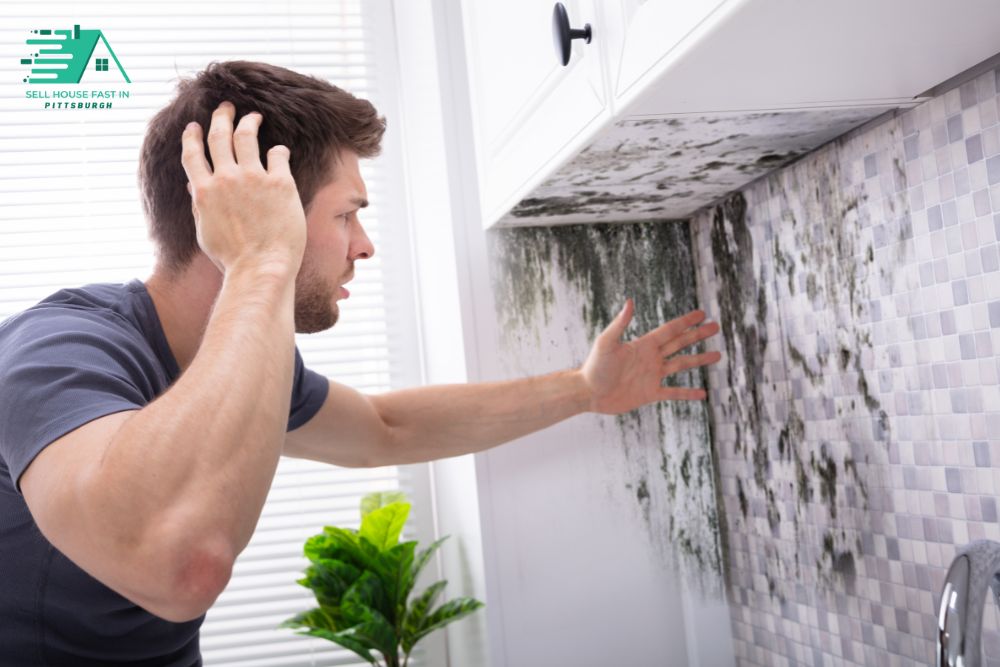
Why Pittsburgh Homes Fight Mold So Often
Pittsburgh's charm comes with age. Age also brings stone foundations, older drainage systems, and basements that breathe moisture as they mean it. In Allegheny County, roughly 32.2% of housing units date to 1939 or earlier, and another 32.3% fall between 1940 and 1959. That is a lot of "old-house reality."
Older homes often hide slow leaks behind plaster, paneling, and finished basements. Add heavy rains and shifting seasons, and moisture finds a way in. Then the mold follows the humidity.
Mold Changes Buyer Behavior
Mold triggers three reactions in buyers. First comes fear about health. Second comes doubt about the home's condition. Third comes a pricing punch. Even one photo of fuzzy growth can shrink your buyer pool fast.
Health concerns are not hype. Public health guidance connects damp buildings to respiratory symptoms, infections, and asthma that can develop or worsen. That makes mold a "pause button" in many negotiations, even when the damage looks small.
If you want a clean sale, you need a plan that aligns with your timeline and budget.
The Health And Liability Side You Should Take Seriously
Mold affects people differently, but the risk is real enough that you should treat it like a safety issue, not a cosmetic one. Research summaries link dampness and mold exposure to higher asthma risk, with some analyses estimating a 30–50% increased risk of asthma outcomes in homes. PMC
Now the legal part. Pennsylvania's disclosure rules focus on "known material defects." If you know about an issue that could impact value or safety, you should not pretend it never happened. The state statute spells out the duty to disclose known material defects to a buyer. Palegis
It is why "hide it with paint" can backfire. You don't want your sale to become a regret story.
What Mold Really Costs In 2025–2026
It is where many Pittsburgh sellers get stuck. They want to do the right thing, yet they fear a money pit.
Current national pricing guides often place professional mold remediation at roughly $2,300–$2,400 per project, with many jobs falling in the $1,200–$3,750 range. Square-foot pricing ranges from $10 to $25 per square foot.
Here's the twist. Remediation is not the whole bill. The real cost shows up when you add drywall removal, fixing the leak source, rebuilding finishes, and sometimes HVAC cleaning. That is why some sellers choose speed over perfection.
The Fastest Path Depends On One Question
Ask yourself this: "Do I want top dollar, or do I want this problem gone quickly?"
If you want top price, you usually need a repair-forward strategy. If you want certainty and speed, you need a sale-forward strategy. Both can be rational. The wrong move is mixing them, starting repairs, running out of cash, and then listing half-finished, which only draws more suspicion from buyers.
So let's map the options the way real sellers actually use them.
1. Fix The Moisture Source First, Then Decide On Cleanup
Mold returns when moisture returns. So if the basement leaks after every storm, no scrub job lasts.
Start by identifying the driver: plumbing leak, foundation seepage, grading, clogged gutters, or condensation. After that, aim for humidity control. EPA guidance often recommends keeping indoor relative humidity below 60%, ideally in the 30–50% range.
This route works best when the mold area is limited, your budget is stable, and you can wait for the market to stabilize.
2. List With Full Transparency And Price For Reality
Some sellers choose to list "as-is" on the open market. That can still work, especially if the home has strong location demand.
However, buyers may request an inspection, then push for credits or large reductions. Your listing also needs careful wording, strong documentation, and clear boundaries on repairs. If you take this route, keep records of any remediation, moisture fixes, and warranties. That paper trail helps buyers feel less like they are gambling.
Still, time matters. A long listing period can invite more humidity cycles and more growth.
3. Sell As-Is For Speed With A Direct Buyer
It is the route many Pittsburgh homeowners choose when mold meets tight deadlines. Think inheritance, divorce, job relocation, tenant damage, or a basement that never stays dry.
A direct sale can remove the "showings plus inspections plus renegotiations" treadmill. It also reduces the chance you sink money into repairs that buyers still question.
It is where we buy houses. Pittsburgh fits as a practical option for sellers who want the cleanest exit without turning their lives into a renovation project.
If you say, "I want to sell my house fast in Pittsburgh," you are usually looking for certainty, even though you don't have a perfect HGTV finish.
And when you prefer a straightforward sale, cash home buyers in Pittsburgh often focus on the property's bones and the scope of repairs, not on cosmetic perfection. So go for it and call Sell House Fast in Pittsburgh.
How To Know If Your Mold Is "Small," "Serious," Or "Sale-Blocking"
Look for three signals.
The first signal is the spread. Growth across multiple rooms often hints at a bigger moisture story. The second signal is the smell that never leaves, even after cleaning. The third signal is repeated water intrusion, especially after rain.
If you see warping, bubbling paint, crumbling drywall, or recurring condensation lines, treat it as more than a surface issue. Even if you plan to sell fast, you want a clear understanding of what you are handing off.
Clarity helps you price correctly and avoid surprises mid-sale.
A Simple Pre-Sale Checklist That Saves Deals
Start with photos, taken in good light, before you move anything. Next, write a timeline of when you noticed the problem, what caused it, and what you did about it. Then gather any receipts for plumbing, waterproofing, or cleanup.
Now, do one more thing that sellers forget. Measure humidity with a basic hygrometer for a few days. If the numbers stay high, you have proof that the basement needs ongoing control, not just a wipe-down. EPA's humidity targets give you a solid benchmark for what "normal" looks like indoors.
This documentation builds trust, even in an as-is sale.
What A "Fast Sale" Can Look Like In Real Life
Picture this. You disclose what you know. Furthermore, you skip the endless contractor scheduling. You also avoid weeks of showings. Finally, you choose a closing date that aligns with your move, work schedule, or family situation.
That speed matters because costs add up while you wait. Mold remediation can average around $2,364 per project in many national estimates. Then repairs can stack on top. When you combine those costs with mortgage payments, utilities, and time, a fast sale often saves more than people expect.
If you want the shortest route from problem to peace, a direct as-is sale can be the cleanest decision.
FAQs
Can I sell a house in Pittsburgh if it has mold?
Yes. Many owners sell their homes with mold present, especially in older homes. Your best outcome depends on disclosure, pricing, and how quickly you want to close. If you wish to market value, you often need moisture control. If you want speed, an as-is sale can work well.
Do I have to fix mold before I sell?
No. You can sell without repairing it, but repairs may expand your buyer pool. Pennsylvania focuses on disclosing known material defects to buyers. A repair can help, yet transparency matters more than perfection.
How much does mold remediation usually cost?
Costs vary by size and location. Many 2025 cost guides place the typical project around the low-to-mid $2,000s, with many jobs in the $1,200–$3,750 range. Larger or hidden problems can surface sharply once rebuilding begins.
Will mold fail a home inspection?
Inspectors often flag mold-like growth, moisture intrusion, and conditions that promote mold growth. The report can lead to repair requests or price reductions. If you want to avoid repeated renegotiations, consider selling as-is with clear expectations from day one.
Is mold a serious health issue?
It can be, especially for people with asthma, allergies, or respiratory sensitivity. Public health guidance links damp buildings to respiratory symptoms and asthma that can develop or worsen. That is why buyers react strongly, even to small areas.
Final Take
Mold feels like a trap because it blends health concerns, repair decisions, and sales pressure into a messy knot. Yet you have options, and you can choose the one that matches your life right now.
If you have a house that's having trouble selling, contact Sell House Fast in Pittsburgh.
